-1.png "Starter - Blogger Template")
Brass Vs Bronze Color Ideas
Brass Vs Bronze Color - Brass is an alloy of copper and zinc. 1,650 to 1,720 °f, depending on composition) and its flow characteristics make it a relatively easy. The meaning of brass is an alloy consisting essentially of copper and zinc in variable proportions. The relatively low melting point of brass (900 to 940 °c; Brass, alloy of copper and zinc, of historical and enduring importance because of its hardness and workability. The earliest brass, called calamine brass, dates to neolithic times;
Some types of brass are called bronzes. Brass has a golden appearance. Discover essential insights on brass types, uses, and care tips in this comprehensive guide, perfect for beginners and enthusiasts alike. The earliest brass, called calamine brass, dates to neolithic times; Read on to learn more about it.
Brass vs Bronze vs Copper Basic Differences and Applications
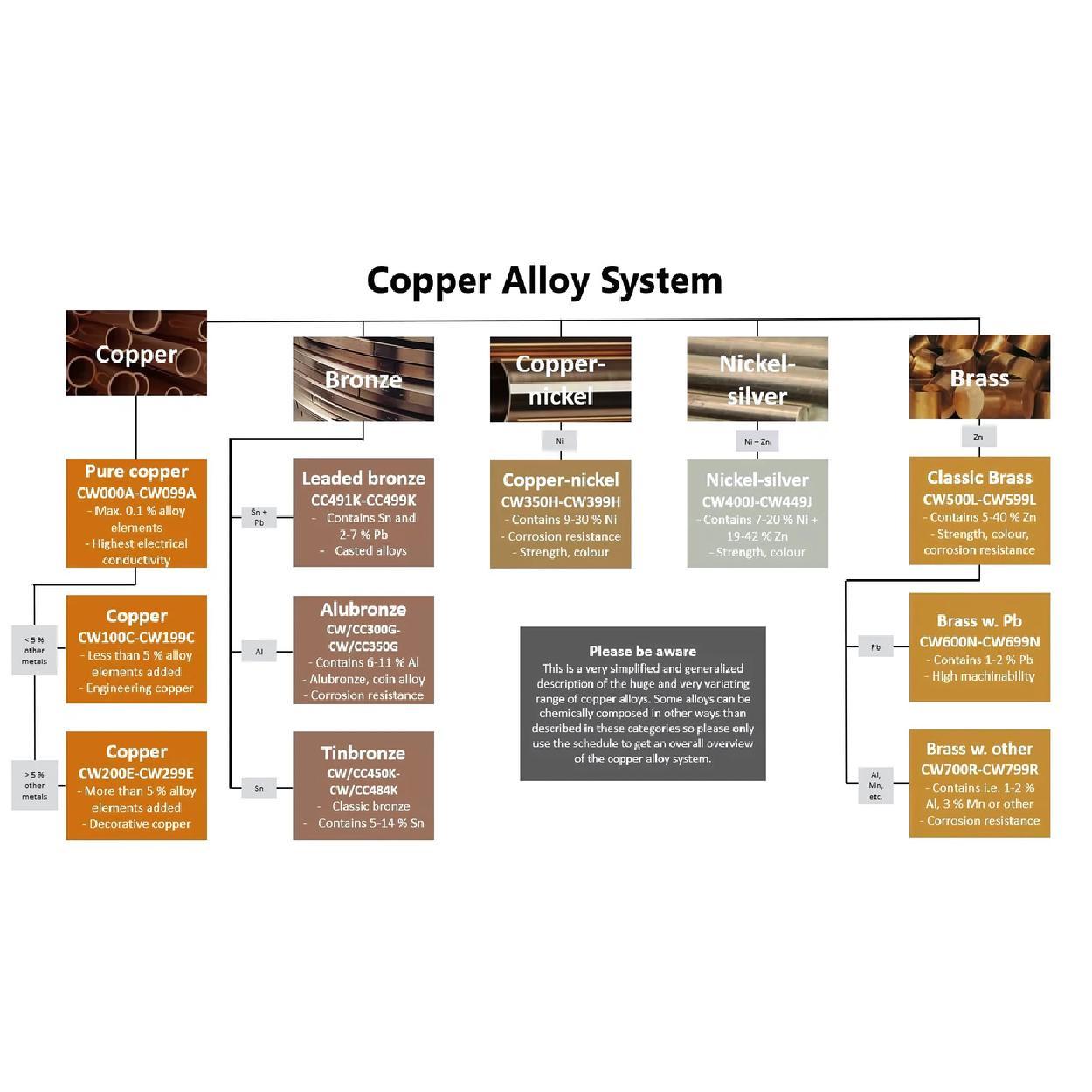
It is harder than pure metals and resists corrosion. The relatively low melting point of brass (900 to 940 °c; This material is mainly copper and zinc, letting it grab the best traits of both. How to use brass in a sentence. Brass is a versatile alloy of copper and zinc, celebrated as the gold standard for machinability and acoustic.
Brass vs Bronze Comparison for Color, Price and Quality
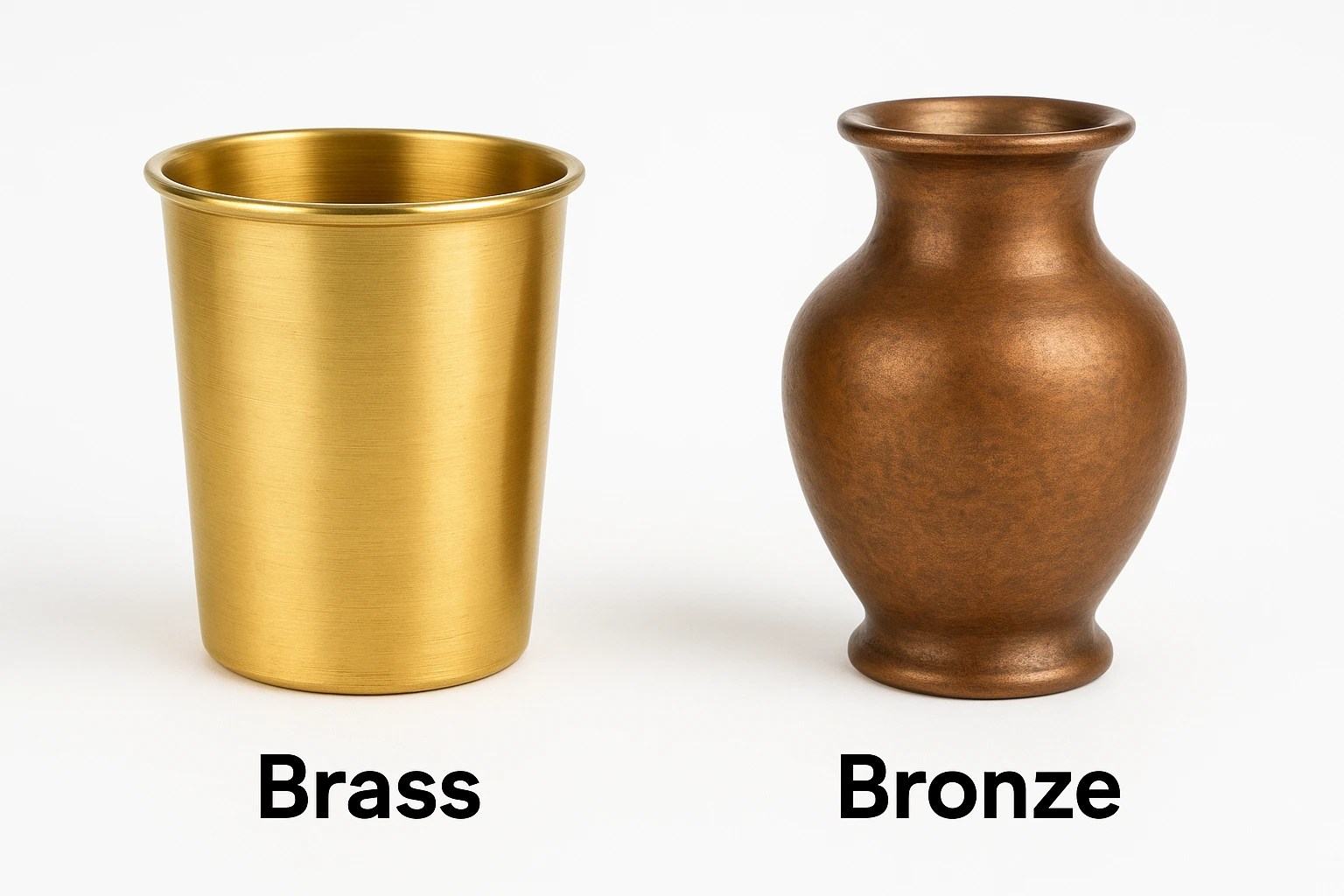
Discover essential insights on brass types, uses, and care tips in this comprehensive guide, perfect for beginners and enthusiasts alike. Brass is a versatile alloy of copper and zinc, celebrated as the gold standard for machinability and acoustic resonance. The meaning of brass is an alloy consisting essentially of copper and zinc in variable proportions. The relatively low melting point.
Bronze vs Brass vs Copper Key Differences Explained

The relatively low melting point of brass (900 to 940 °c; This material is mainly copper and zinc, letting it grab the best traits of both. Brass is more malleable than bronze or zinc. Some types of brass are called bronzes. Brass is one of the most popular alloys we use today, loved for its strength, flexibility, and warm, golden.
Bronze vs. Brass vs. Copper A Comprehensive Comparison Guide

It is harder than pure metals and resists corrosion. How to use brass in a sentence. This material is mainly copper and zinc, letting it grab the best traits of both. Brass is one of the most popular alloys we use today, loved for its strength, flexibility, and warm, golden color. The hardness or softness of brass can be manipulated.
A Guide to Copper Alloys Brass vs. Phosphor Bronze

Brass, an alloy of copper and zinc has a unique blend of properties, including strength, corrosion resistance, and aesthetic appeal. It is harder than pure metals and resists corrosion. Brass is a versatile alloy of copper and zinc, celebrated as the gold standard for machinability and acoustic resonance. Brass is more malleable than bronze or zinc. Read on to learn.
Brass Vs Bronze Color - Read on to learn more about it. It is harder than pure metals and resists corrosion. Brass has a golden appearance. Brass is one of the most popular alloys we use today, loved for its strength, flexibility, and warm, golden color. It costs more than zinc. Brass is a versatile alloy of copper and zinc, celebrated as the gold standard for machinability and acoustic resonance.
Brass, alloy of copper and zinc, of historical and enduring importance because of its hardness and workability. Brass is a metal alloy composed of copper and zinc and used for making fasteners, ammunition casings, and musical instruments. Brass is a versatile alloy of copper and zinc, celebrated as the gold standard for machinability and acoustic resonance. Read on to learn more about it. Brass has a golden appearance.
How To Use Brass In A Sentence.
The hardness or softness of brass can be manipulated by altering the proportions of. Discover essential insights on brass types, uses, and care tips in this comprehensive guide, perfect for beginners and enthusiasts alike. Brass, alloy of copper and zinc, of historical and enduring importance because of its hardness and workability. Brass is a versatile alloy of copper and zinc, celebrated as the gold standard for machinability and acoustic resonance.
Brass Is A Metal Alloy Composed Of Copper And Zinc And Used For Making Fasteners, Ammunition Casings, And Musical Instruments.
Brass has a golden appearance. It costs more than zinc. Some types of brass are called bronzes. It is harder than pure metals and resists corrosion.
The Meaning Of Brass Is An Alloy Consisting Essentially Of Copper And Zinc In Variable Proportions.
Brass, an alloy of copper and zinc has a unique blend of properties, including strength, corrosion resistance, and aesthetic appeal. The earliest brass, called calamine brass, dates to neolithic times; This material is mainly copper and zinc, letting it grab the best traits of both. Brass is more malleable than bronze or zinc.
The Relatively Low Melting Point Of Brass (900 To 940 °C;
Brass is a metallic alloy that is formed through the combination of copper and zinc in different ratios. Read on to learn more about it. 1,650 to 1,720 °f, depending on composition) and its flow characteristics make it a relatively easy. Brass is one of the most popular alloys we use today, loved for its strength, flexibility, and warm, golden color.