-1.png "Starter - Blogger Template")
Can Sharks See Color References
Can Sharks See Color - A 2020 review of all the data to date said that most species of the predatory fish can't even see color. This means that that these shark species have little or no ability to discriminate colors. Most sharks only have one type of cone, which are the cells in eyes that pick up color. In essence, many sharks are likely colorblind, leaning heavily on their. And while some of their closest relatives, such as stingrays, have the potential for color vision, sharks cannot distinguish them. This enables them to see a limited range of colors, primarily in shades of.
While research suggests that sharks may have limited color vision, their perception is not as extensive as humans. Sharks were long thought to have poor eyesight, but recent research is revealing new insights into their ability to see colours and if they can distinguish prey from people. This enables them to see a limited range of colors, primarily in shades of. They are more adept at detecting contrasting shades, aiding in prey. This means that that these shark species have little or no ability to discriminate colors.
Hidden Hunters How Great White Sharks Navigate LowVisibility Waters

A complete lack of color vision is rare in terrestrial animals, which typically have two or three different. The back of sharks’ eyeballs have a reflective layer of tissue called a tapetum. Most sharks can see well in dark lighted areas, have fantastic night vision, and can see colors. Research has shown that many species of sharks are likely completely.
Shark Facts, Types, Classification, Habitat, Diet, Adaptations, Pictures

The study therefore suggests that sharks are insensitive to color. No, color vision varies significantly between shark species. Research has shown that many species of sharks are likely completely colorblind, with only one type. A complete lack of color vision is rare in terrestrial animals, which typically have two or three different. Research suggests that most shark species have dichromatic.
Fascinating Shark and Ray Vision Evolution Research Reveals Sharks Can
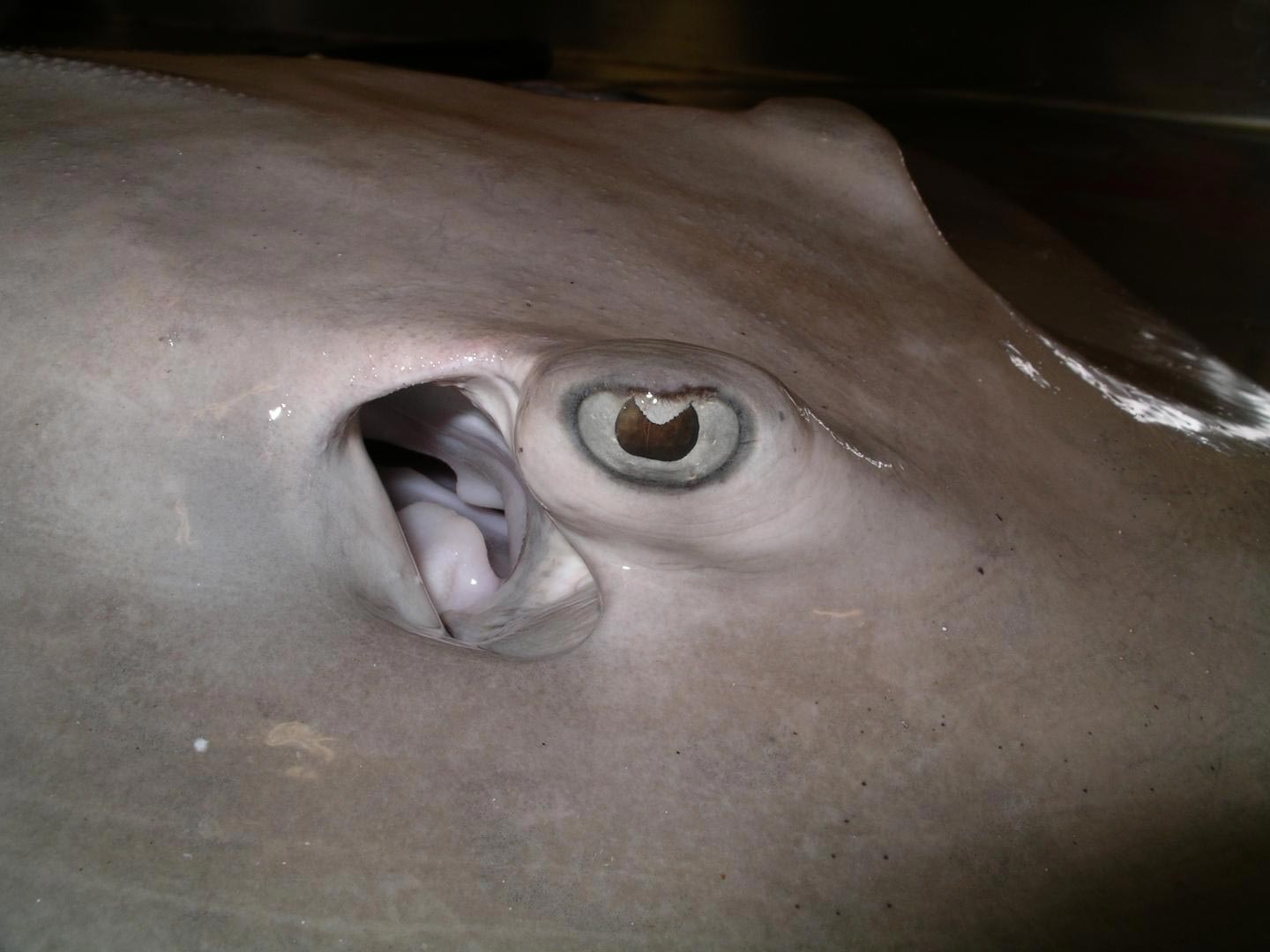
While research suggests that sharks may have limited color vision, their perception is not as extensive as humans. The study therefore suggests that sharks are insensitive to color. A 2020 review of all the data to date said that most species of the predatory fish can't even see color. No, color vision varies significantly between shark species. Most sharks only.
This shark can change color — thanks to hidden nano mirrors in its skin
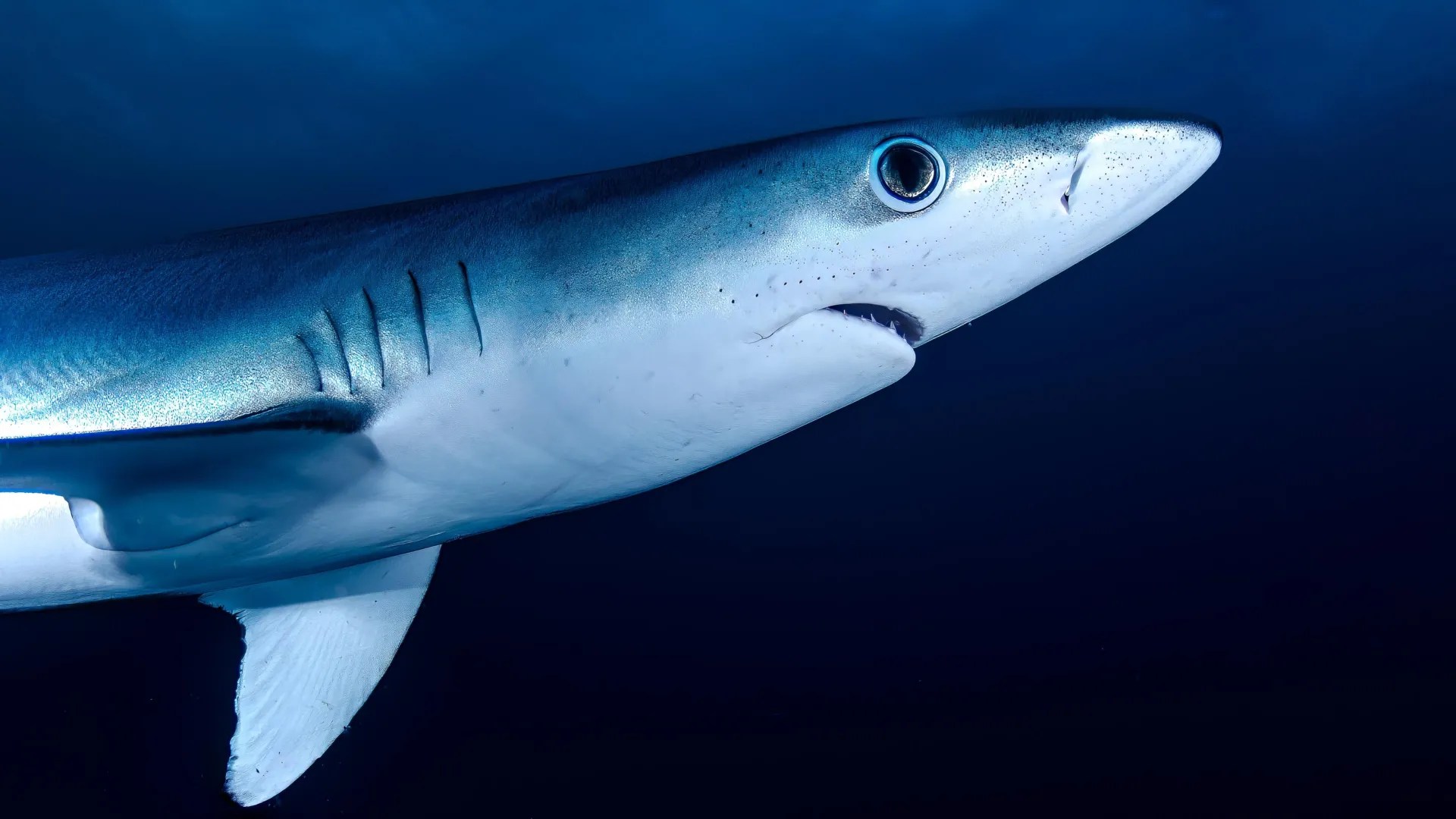
The study therefore suggests that sharks are insensitive to color. In essence, many sharks are likely colorblind, leaning heavily on their. They are more adept at detecting contrasting shades, aiding in prey. A 2020 review of all the data to date said that most species of the predatory fish can't even see color. While research suggests that sharks may have.
Shark Eye Colour

One of the most interesting questions about shark vision is whether or not they can see colors. This means that that these shark species have little or no ability to discriminate colors. The back of sharks’ eyeballs have a reflective layer of tissue called a tapetum. Research has shown that many species of sharks are likely completely colorblind, with only.
Can Sharks See Color - No, color vision varies significantly between shark species. This means that that these shark species have little or no ability to discriminate colors. Research has shown that many species of sharks are likely completely colorblind, with only one type. One of the most interesting questions about shark vision is whether or not they can see colors. And while some of their closest relatives, such as stingrays, have the potential for color vision, sharks cannot distinguish them. In essence, many sharks are likely colorblind, leaning heavily on their.
No, color vision varies significantly between shark species. A 2020 review of all the data to date said that most species of the predatory fish can't even see color. This means that that these shark species have little or no ability to discriminate colors. Most sharks only have one type of cone, which are the cells in eyes that pick up color. Sharks were long thought to have poor eyesight, but recent research is revealing new insights into their ability to see colours and if they can distinguish prey from people.
Research Has Shown That Many Species Of Sharks Are Likely Completely Colorblind, With Only One Type.
Research suggests that most shark species have dichromatic vision, meaning they have only one type of cone cell. Most sharks can see well in dark lighted areas, have fantastic night vision, and can see colors. And while some of their closest relatives, such as stingrays, have the potential for color vision, sharks cannot distinguish them. They are more adept at detecting contrasting shades, aiding in prey.
Sharks Were Long Thought To Have Poor Eyesight, But Recent Research Is Revealing New Insights Into Their Ability To See Colours And If They Can Distinguish Prey From People.
This enables them to see a limited range of colors, primarily in shades of. A 2020 review of all the data to date said that most species of the predatory fish can't even see color. A complete lack of color vision is rare in terrestrial animals, which typically have two or three different. The back of sharks’ eyeballs have a reflective layer of tissue called a tapetum.
The Study Therefore Suggests That Sharks Are Insensitive To Color.
No, color vision varies significantly between shark species. Most sharks only have one type of cone, which are the cells in eyes that pick up color. One of the most interesting questions about shark vision is whether or not they can see colors. This means that that these shark species have little or no ability to discriminate colors.
While Research Suggests That Sharks May Have Limited Color Vision, Their Perception Is Not As Extensive As Humans.
In essence, many sharks are likely colorblind, leaning heavily on their.