-1.png "Starter - Blogger Template")
Define Color Of Law References
Define Color Of Law - The term is often used in civil rights law to describe conduct carried out by government officials, or by individuals acting in. Whoever, under color of any law, statute, ordinance, regulation, or custom, willfully subjects any person in any state, territory, commonwealth, possession, or district to the deprivation of any rights,. In law, color of law is a technical threshold concept — particularly in civil rights litigation — that determines whether constitutional protections and federal statutes attach to a defendant's conduct. It’s the legal term for when a person uses the power and authority given to them by a government job to do something they shouldn't, ultimately violating your rights. What is color of law? Color of law refers to actions taken under the appearance of legal authority.
On this page, you'll find the legal definition and meaning of color of law, written in plain english, along with examples of how it is used. It’s the legal term for when a person uses the power and authority given to them by a government job to do something they shouldn't, ultimately violating your rights. It describes situations where a government official uses their position to act, even when that action violates someone’s constitutional. In law, color of law is a technical threshold concept — particularly in civil rights litigation — that determines whether constitutional protections and federal statutes attach to a defendant's conduct. The act of pretending or appearing legally.
PPT COLOR THEORY PowerPoint Presentation, free download ID1730460

It’s the legal term for when a person uses the power and authority given to them by a government job to do something they shouldn't, ultimately violating your rights. The term color of law refers to the appearance of legality in the exercise of legal power to realize an action that violates the law. Acting under color of law means.
Suing Under The Color Of Law. What It Means. Stating It In Your

Acting under color of law means a person is using power they possess because of their government position, even if their specific action is an abuse of that power. On this page, you'll find the legal definition and meaning of color of law, written in plain english, along with examples of how it is used. Acting under color of law.
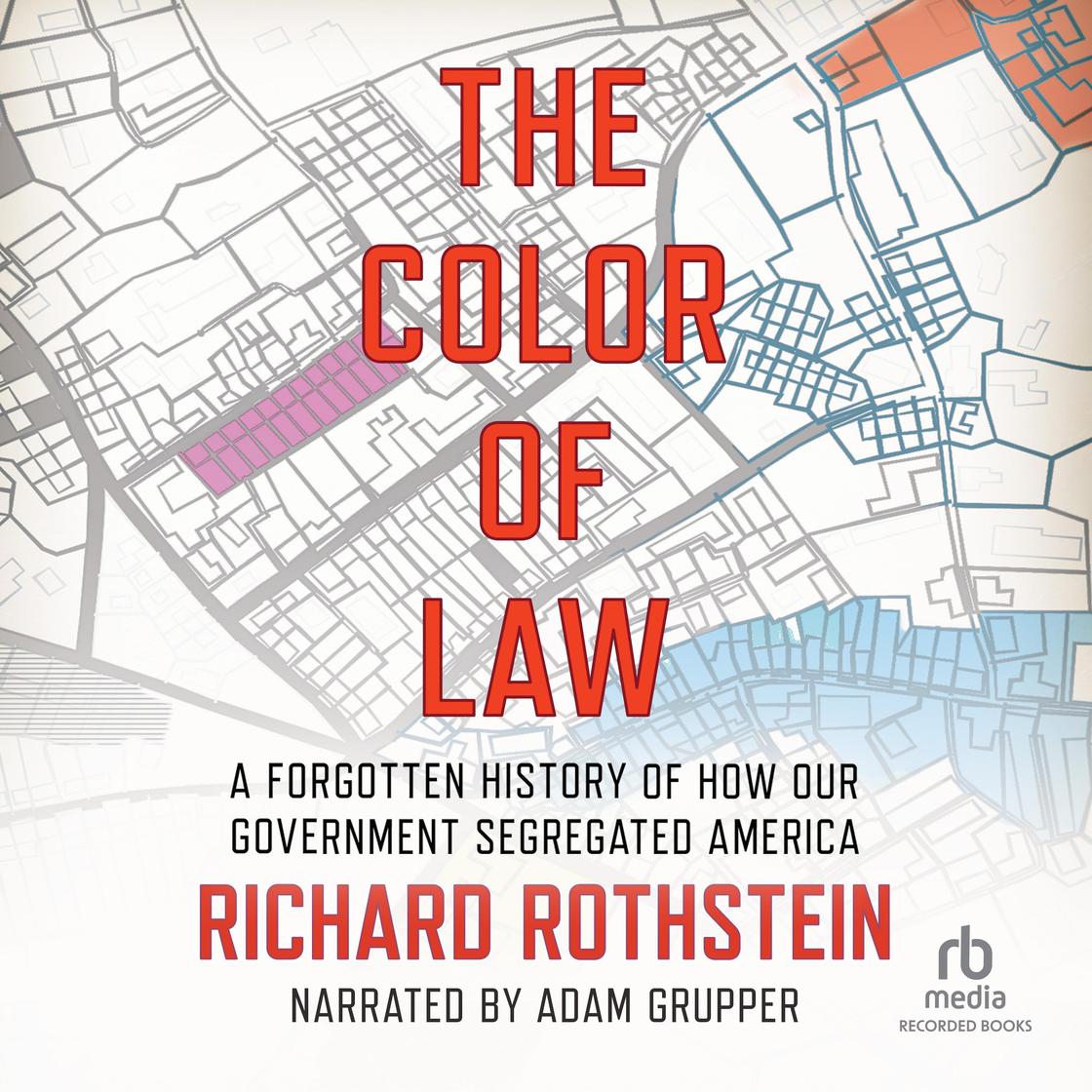
The Color of Law by Richard Rothstein Narrated by Adam Grupper
The term color of law refers to the appearance of legality in the exercise of legal power to realize an action that violates the law. Color of law refers to actions taken under the appearance of legal authority. Color of law means the appearance of legal authority. The act of pretending or appearing legally. It’s the legal term for when.
The Color of Law A History of How Government Segregated

What is color of law? The act of pretending or appearing legally. Color of law refers to actions taken under the appearance of legal authority. The term color of law refers to the appearance of legality in the exercise of legal power to realize an action that violates the law. Color of law means the appearance of legal authority.
PPT Haircoloring Chapter 21 PowerPoint Presentation ID6493032

On this page, you'll find the legal definition and meaning of color of law, written in plain english, along with examples of how it is used. Whoever, under color of any law, statute, ordinance, regulation, or custom, willfully subjects any person in any state, territory, commonwealth, possession, or district to the deprivation of any rights,. In law, color of law.
Define Color Of Law - Section 242 of title 18 makes it a crime for a person acting under color of any law to willfully deprive a person of a right or privilege protected by the constitution or laws of the united. On this page, you'll find the legal definition and meaning of color of law, written in plain english, along with examples of how it is used. The term is often used in civil rights law to describe conduct carried out by government officials, or by individuals acting in. In law, color of law is a technical threshold concept — particularly in civil rights litigation — that determines whether constitutional protections and federal statutes attach to a defendant's conduct. Acting under color of law means someone is using authority given to them by a local, state, or federal government, often in a way that may be unlawful or abusive. Whoever, under color of any law, statute, ordinance, regulation, or custom, willfully subjects any person in any state, territory, commonwealth, possession, or district to the deprivation of any rights,.
Section 242 of title 18 makes it a crime for a person acting under color of any law to willfully deprive a person of a right or privilege protected by the constitution or laws of the united. On this page, you'll find the legal definition and meaning of color of law, written in plain english, along with examples of how it is used. The act of pretending or appearing legally. Whoever, under color of any law, statute, ordinance, regulation, or custom, willfully subjects any person in any state, territory, commonwealth, possession, or district to the deprivation of any rights,. The term is often used in civil rights law to describe conduct carried out by government officials, or by individuals acting in.
The Term Color Of Law Refers To The Appearance Of Legality In The Exercise Of Legal Power To Realize An Action That Violates The Law.
Whoever, under color of any law, statute, ordinance, regulation, or custom, willfully subjects any person in any state, territory, commonwealth, possession, or district to the deprivation of any rights,. The act of pretending or appearing legally. In law, color of law is a technical threshold concept — particularly in civil rights litigation — that determines whether constitutional protections and federal statutes attach to a defendant's conduct. It’s the legal term for when a person uses the power and authority given to them by a government job to do something they shouldn't, ultimately violating your rights.
Color Of Law Means The Appearance Of Legal Authority.
Color of law refers to actions taken under the appearance of legal authority. It describes situations where a government official uses their position to act, even when that action violates someone’s constitutional. Acting under color of law means someone is using authority given to them by a local, state, or federal government, often in a way that may be unlawful or abusive. What is color of law?
Section 242 Of Title 18 Makes It A Crime For A Person Acting Under Color Of Any Law To Willfully Deprive A Person Of A Right Or Privilege Protected By The Constitution Or Laws Of The United.
Acting under color of law means a person is using power they possess because of their government position, even if their specific action is an abuse of that power. On this page, you'll find the legal definition and meaning of color of law, written in plain english, along with examples of how it is used. The term is often used in civil rights law to describe conduct carried out by government officials, or by individuals acting in.