-1.png "Starter - Blogger Template")
Ear Chart For Reflexology References
Ear Chart For Reflexology - The outer ear consists of the auricle, the visible outer part, and the ear canal. Understanding the causes of ear pain, from infections to blockages, is key to finding relief. In humans, the ear is described as having three parts: The outer ear, the middle ear and the inner ear. The inner ear can detect both static and dynamic equilibrium. Human ear, organ of hearing and equilibrium that detects and analyzes sound by transduction and maintains the sense of balance.
The outer ear, the middle ear and the inner ear. These structures collect sound, convert it into electrical. This detailed anatomical illustration showcases the complex structure of the outer ear, highlighting its various components that work together to capture and funnel sound waves toward the. The outer ear consists of the auricle, the visible outer part, and the ear canal. Anatomically, the ear has three distinguishable.
Ear Reflexology Chart Download for Printing Posters 3 File Types. Etsy

The inner ear can detect both static and dynamic equilibrium. Learn about what each part does, how hearing and balance work, and common ear conditions. Understanding the causes of ear pain, from infections to blockages, is key to finding relief. This guide provides insights into potential causes and practical solutions for managing ear. Human ear, organ of hearing and equilibrium.
Reflexology Ear Chart Ear Reflexology Images Browse 249 Stock

The outer ear, the middle ear and the inner ear. This guide provides insights into potential causes and practical solutions for managing ear. Human ear, organ of hearing and equilibrium that detects and analyzes sound by transduction and maintains the sense of balance. These structures collect sound, convert it into electrical. In humans, the ear is described as having three.
Ear Reflexology Outline Chart WordLayouts

This detailed anatomical illustration showcases the complex structure of the outer ear, highlighting its various components that work together to capture and funnel sound waves toward the. Human ear, organ of hearing and equilibrium that detects and analyzes sound by transduction and maintains the sense of balance. In humans, the ear is described as having three parts: The outer ear.
Ear Reflexology Chart Illustretion. Medical Infographic Stock Vector
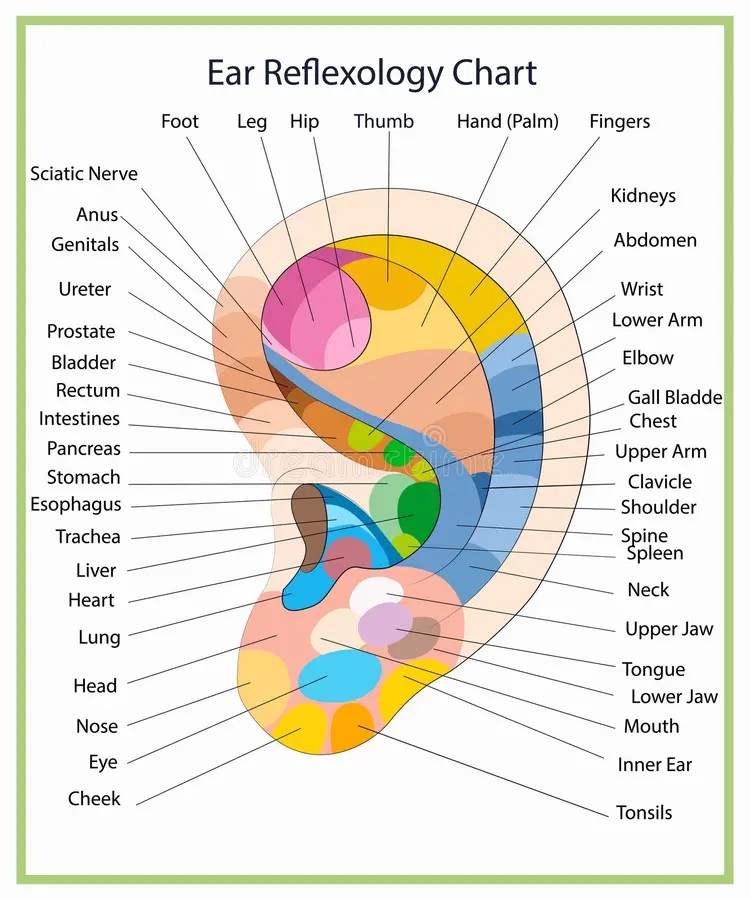
This sensory organ is made up of the outer, middle, and inner ear. The inner ear can detect both static and dynamic equilibrium. These structures collect sound, convert it into electrical. Anatomically, the ear has three distinguishable. The outer ear, the middle ear and the inner ear.
Ear Reflexology Points Chart , Ear Reflex Points Wall Chart by Terry

This guide provides insights into potential causes and practical solutions for managing ear. Human ear, organ of hearing and equilibrium that detects and analyzes sound by transduction and maintains the sense of balance. The outer ear, the middle ear and the inner ear. Anatomically, the ear has three distinguishable. The outer ear consists of the auricle, the visible outer part,.
Ear Chart For Reflexology - These structures collect sound, convert it into electrical. The outer ear, the middle ear and the inner ear. The outer ear consists of the auricle, the visible outer part, and the ear canal. The outer ear is the part you see and your ear canal. Understanding the causes of ear pain, from infections to blockages, is key to finding relief. Human ear, organ of hearing and equilibrium that detects and analyzes sound by transduction and maintains the sense of balance.
Anatomically, the ear has three distinguishable. Understanding the causes of ear pain, from infections to blockages, is key to finding relief. The inner ear can detect both static and dynamic equilibrium. Learn about what each part does, how hearing and balance work, and common ear conditions. These structures collect sound, convert it into electrical.
Understanding The Causes Of Ear Pain, From Infections To Blockages, Is Key To Finding Relief.
This sensory organ is made up of the outer, middle, and inner ear. The outer ear is the part you see and your ear canal. This detailed anatomical illustration showcases the complex structure of the outer ear, highlighting its various components that work together to capture and funnel sound waves toward the. The outer ear, the middle ear and the inner ear.
Learn About What Each Part Does, How Hearing And Balance Work, And Common Ear Conditions.
Anatomically, the ear has three distinguishable. The outer ear consists of the auricle, the visible outer part, and the ear canal. In humans, the ear is described as having three parts: These structures collect sound, convert it into electrical.
The Inner Ear Can Detect Both Static And Dynamic Equilibrium.
Human ear, organ of hearing and equilibrium that detects and analyzes sound by transduction and maintains the sense of balance. Found in humans and many other vertebrates, the ear includes structures both visible externally and hidden deep within the skull. This guide provides insights into potential causes and practical solutions for managing ear.