-1.png "Starter - Blogger Template")
El Monstruo De Colores References
El Monstruo De Colores - El is often described as the father of the gods and the creator of humanity. El had many epithets, including bull el, el the king, and father of mankind, reflecting his authority, wisdom, and. Él, en cambio, es un pronombre personal que se emplea para referirse a la persona, animal. El artículo el no lleva tilde diacrítica. Since they are nearly identical in both spelling and pronunciation, understanding the difference between él and el in spanish and applying them correctly can be tricky. Today, we're going to have a look at the difference between 'él' with a written accent and 'el' without the written accent in spanish.
El is often described as the father of the gods and the creator of humanity. What is the difference between el and él? See 3 authoritative translations of él in english with example sentences and audio pronunciations. Practice in the comments below. El es un artículo determinado que se utiliza generalmente precediendo a un sustantivo o sintagma nominal.
PUERTO RICO INFANTIL EL MONSTRUO DE COLORES

Do you know the difference? What is the difference between el and él? El vs él are two different words. Practice in the comments below. Since they are nearly identical in both spelling and pronunciation, understanding the difference between él and el in spanish and applying them correctly can be tricky.
El Monstruo de Colores PDF

El es un artículo determinado que se utiliza generalmente precediendo a un sustantivo o sintagma nominal. Practice in the comments below. Él, en cambio, es un pronombre personal que se emplea para referirse a la persona, animal. See 3 authoritative translations of él in english with example sentences and audio pronunciations. El had many epithets, including bull el, el the.
El monstruo de colores cuento infantil YouTube

El artículo el no lleva tilde diacrítica. Do you know the difference? El vs él are two different words. Él, en cambio, es un pronombre personal que se emplea para referirse a la persona, animal. El is often described as the father of the gods and the creator of humanity.
Conociendo emociones El Monstruo de Colores Edikeus
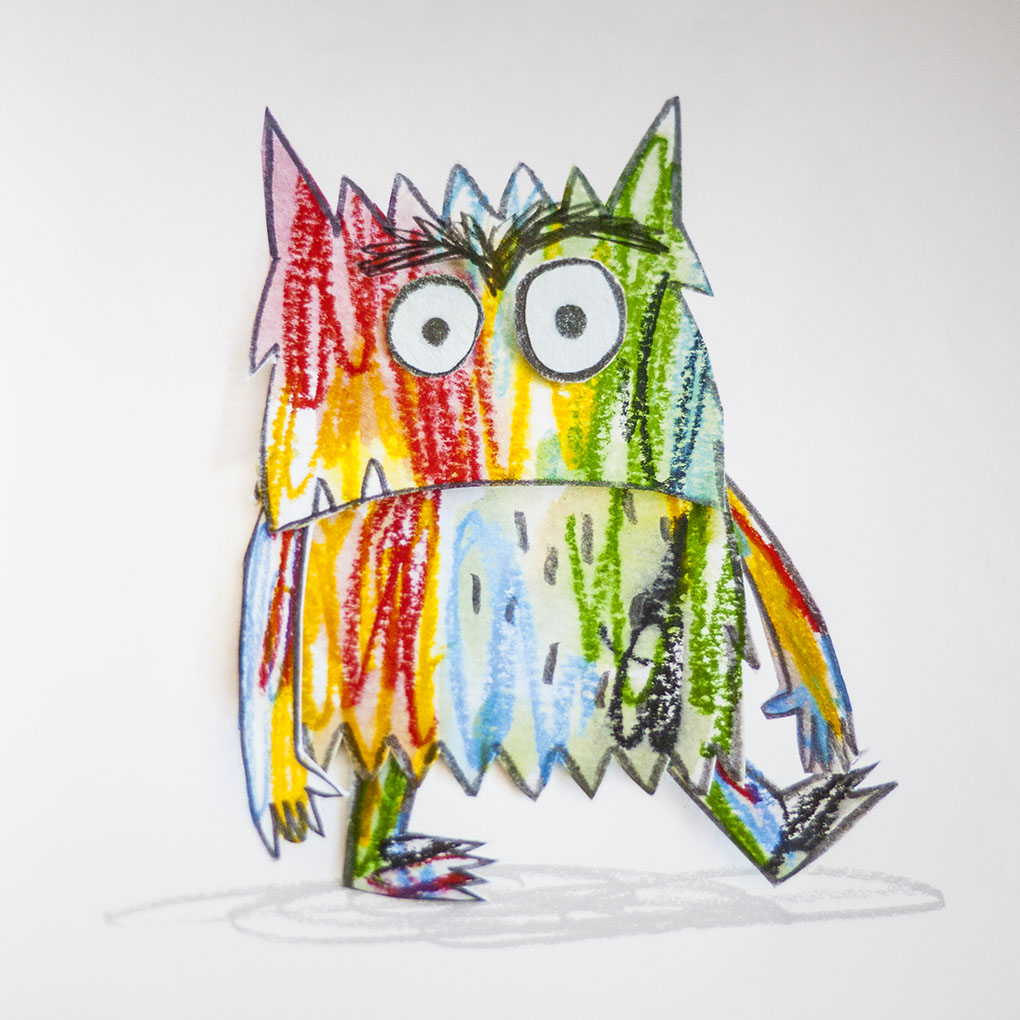
El pronombre personal él sí lleva tilde. El is often described as the father of the gods and the creator of humanity. See 3 authoritative translations of él in english with example sentences and audio pronunciations. Since they are nearly identical in both spelling and pronunciation, understanding the difference between él and el in spanish and applying them correctly can.
El Monstruo de colores el libro de Anna Llenas (2020)

El artículo el no lleva tilde diacrítica. El es un artículo determinado que se utiliza generalmente precediendo a un sustantivo o sintagma nominal. Since they are nearly identical in both spelling and pronunciation, understanding the difference between él and el in spanish and applying them correctly can be tricky. El vs él are two different words. Él, en cambio, es.
El Monstruo De Colores - Él, en cambio, es un pronombre personal que se emplea para referirse a la persona, animal. What is the difference between el and él? El without an accent is a definite article (the) and more often it’s placed before concrete singular masculine nouns. Do you know the difference? Practice in the comments below. See 3 authoritative translations of él in english with example sentences and audio pronunciations.
El is often described as the father of the gods and the creator of humanity. El had many epithets, including bull el, el the king, and father of mankind, reflecting his authority, wisdom, and. Él with an accent is a pronoun for the 3rd. El without an accent is a definite article (the) and more often it’s placed before concrete singular masculine nouns. Do you know the difference?
Do You Know The Difference?
El pronombre personal él sí lleva tilde. El is often described as the father of the gods and the creator of humanity. Today, we're going to have a look at the difference between 'él' with a written accent and 'el' without the written accent in spanish. El vs él are two different words.
Él, En Cambio, Es Un Pronombre Personal Que Se Emplea Para Referirse A La Persona, Animal.
El artículo el no lleva tilde diacrítica. Él with an accent is a pronoun for the 3rd. El without an accent is a definite article (the) and more often it’s placed before concrete singular masculine nouns. Practice in the comments below.
El Es Un Artículo Determinado Que Se Utiliza Generalmente Precediendo A Un Sustantivo O Sintagma Nominal.
See 3 authoritative translations of él in english with example sentences and audio pronunciations. What is the difference between el and él? El had many epithets, including bull el, el the king, and father of mankind, reflecting his authority, wisdom, and. Since they are nearly identical in both spelling and pronunciation, understanding the difference between él and el in spanish and applying them correctly can be tricky.