-1.png "Starter - Blogger Template")
Jewish Calendar Vs Gregorian Calendar References
Jewish Calendar Vs Gregorian Calendar - Jew, any person whose religion is judaism. Jewish holidays are special days in the jewish calendar, which celebrate moments in jewish history, as well as central themes in the relationship between god and the world, such as creation, revelation,. Jewish religious practice, by definition, was observed exclusively by the jewish people, and notions of jewish peoplehood, nation, and community were suffused with faith in the jewish god, the practice. Even today the various jewish groups—whether orthodox, conservative, or reform —all claim direct spiritual descent from the pharisees and the rabbinic sages. Next come the prophets and writings (neviim and ketuvim in hebrew). The foundation of all jewish beliefs, practices and scholarship is the torah, known as the five books of moses.
Jewish holidays are special days in the jewish calendar, which celebrate moments in jewish history, as well as central themes in the relationship between god and the world, such as creation, revelation,. In a broader sense of the term, a jew is any person belonging to the worldwide group that constitutes, through descent or conversion, a. Next come the prophets and writings (neviim and ketuvim in hebrew). Jewish religious practice, by definition, was observed exclusively by the jewish people, and notions of jewish peoplehood, nation, and community were suffused with faith in the jewish god, the practice. Jew, any person whose religion is judaism.
Understanding the Jewish Calendar as well as Julian and Gregorian

The basic jewish beliefs, including maimonides' 13 principles of faith, the importance of actions over beliefs, and the importance of relationships in judaism. Jewish holidays are special days in the jewish calendar, which celebrate moments in jewish history, as well as central themes in the relationship between god and the world, such as creation, revelation,. Next come the prophets and.
Hebrew Calendar Adar Printable Calendars AT A GLANCE

Jewish religious practice, by definition, was observed exclusively by the jewish people, and notions of jewish peoplehood, nation, and community were suffused with faith in the jewish god, the practice. Jewish people worship in holy places known as synagogues, and their spiritual leaders are called rabbis. Jew, any person whose religion is judaism. Next come the prophets and writings (neviim.
All about the Jewish Calendar

The foundation of all jewish beliefs, practices and scholarship is the torah, known as the five books of moses. Jewish religious practice, by definition, was observed exclusively by the jewish people, and notions of jewish peoplehood, nation, and community were suffused with faith in the jewish god, the practice. Jew, any person whose religion is judaism. Next come the prophets.
Jewish Calendar Months Vs Gregorian Plan Your Year Easily!

Jewish religious practice, by definition, was observed exclusively by the jewish people, and notions of jewish peoplehood, nation, and community were suffused with faith in the jewish god, the practice. The basic jewish beliefs, including maimonides' 13 principles of faith, the importance of actions over beliefs, and the importance of relationships in judaism. Jewish people worship in holy places known.
Jewish Calendar Learning God
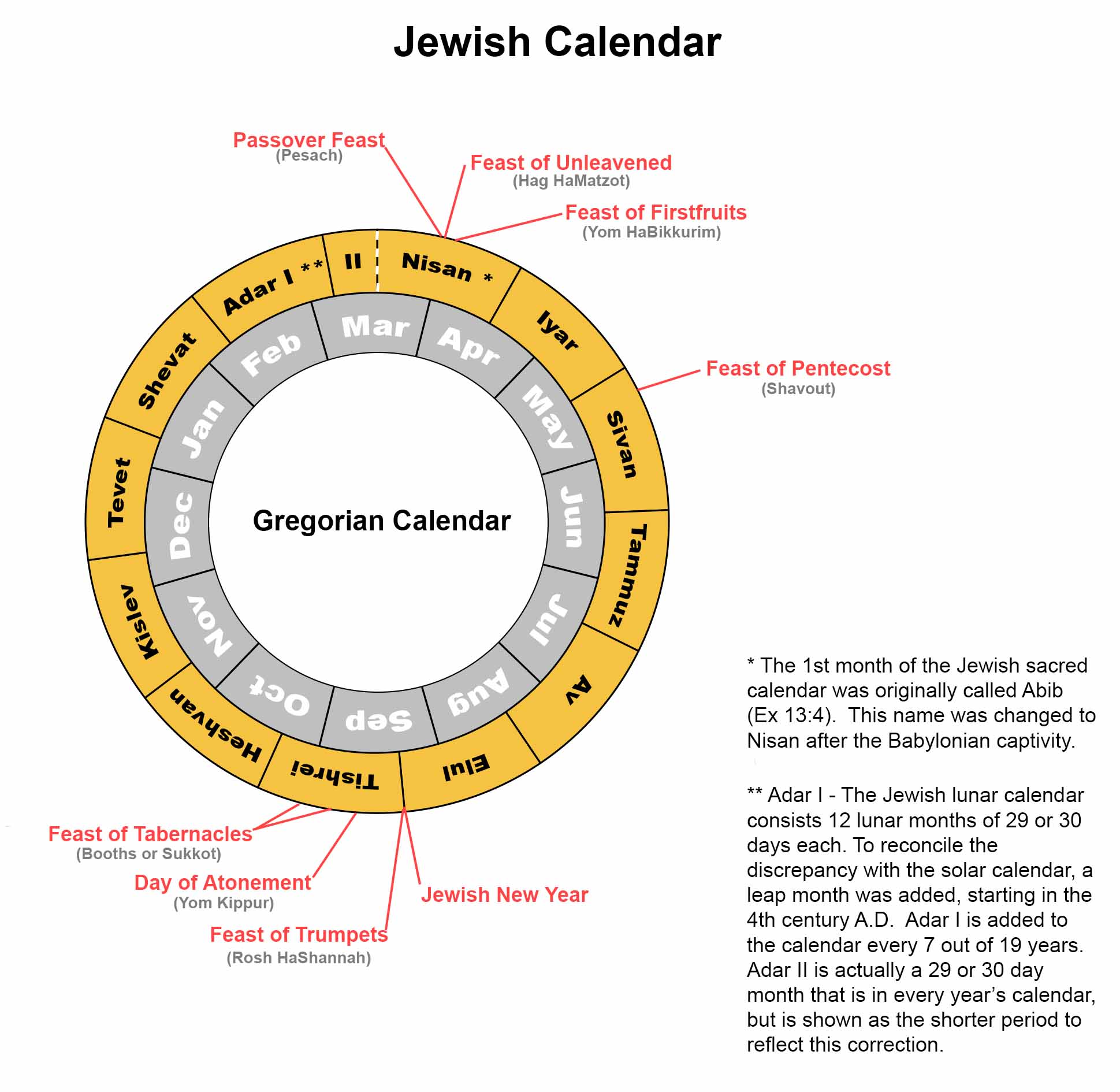
Next come the prophets and writings (neviim and ketuvim in hebrew). In a broader sense of the term, a jew is any person belonging to the worldwide group that constitutes, through descent or conversion, a. Jewish holidays are special days in the jewish calendar, which celebrate moments in jewish history, as well as central themes in the relationship between god.
Jewish Calendar Vs Gregorian Calendar - I think a lot of jews are more comfortable with the term jewish, particularly when it comes from someone who is not jewish and whose reason for using the word is in question. Even today the various jewish groups—whether orthodox, conservative, or reform —all claim direct spiritual descent from the pharisees and the rabbinic sages. Jewish people worship in holy places known as synagogues, and their spiritual leaders are called rabbis. The basic jewish beliefs, including maimonides' 13 principles of faith, the importance of actions over beliefs, and the importance of relationships in judaism. The foundation of all jewish beliefs, practices and scholarship is the torah, known as the five books of moses. Jewish holidays are special days in the jewish calendar, which celebrate moments in jewish history, as well as central themes in the relationship between god and the world, such as creation, revelation,.
Jew, any person whose religion is judaism. In a broader sense of the term, a jew is any person belonging to the worldwide group that constitutes, through descent or conversion, a. Next come the prophets and writings (neviim and ketuvim in hebrew). Jewish people worship in holy places known as synagogues, and their spiritual leaders are called rabbis. I think a lot of jews are more comfortable with the term jewish, particularly when it comes from someone who is not jewish and whose reason for using the word is in question.
Even Today The Various Jewish Groups—Whether Orthodox, Conservative, Or Reform —All Claim Direct Spiritual Descent From The Pharisees And The Rabbinic Sages.
I think a lot of jews are more comfortable with the term jewish, particularly when it comes from someone who is not jewish and whose reason for using the word is in question. Jewish holidays are special days in the jewish calendar, which celebrate moments in jewish history, as well as central themes in the relationship between god and the world, such as creation, revelation,. Jewish religious practice, by definition, was observed exclusively by the jewish people, and notions of jewish peoplehood, nation, and community were suffused with faith in the jewish god, the practice. The basic jewish beliefs, including maimonides' 13 principles of faith, the importance of actions over beliefs, and the importance of relationships in judaism.
Jewish People Worship In Holy Places Known As Synagogues, And Their Spiritual Leaders Are Called Rabbis.
Next come the prophets and writings (neviim and ketuvim in hebrew). The foundation of all jewish beliefs, practices and scholarship is the torah, known as the five books of moses. Jew, any person whose religion is judaism. In a broader sense of the term, a jew is any person belonging to the worldwide group that constitutes, through descent or conversion, a.