-1.png "Starter - Blogger Template")
Junk Removal Business Plan Template 2026
Junk Removal Business Plan Template - It is currently the standard procedure for performing caesarean sections as well as other gynecologic. The pfannenstiel incision is reportedly associated with a lower incidence of wound complications, including surgical site infection and incisional hernia, than midline incisions. The pfannenstiel incision is a horizontal skin incision made just above the symphysis pubis (pubic bone). A pfannenstiel incision was used, and the procedure involved removal of the uterus, cervix, upper quarter of the vagina, pelvic lymph nodes, and surrounding tissue. It is made in the lower abdomen, parallel to the groin crease. The pfannenstiel incision offers a large view of the central pelvis but limits exposure to the lateral pelvis and upper abdomen, factors that limit the usefulness of this incision for gynecologic cancer surgery.
It does not give exposure to the upper abdomen and provides only limited exposure to aortic and lymph nodes for their analysis and. It is a form of surgical incision made in the abdomen that provides access to the abdominal cavity. The pfannenstiel incision is reportedly associated with a lower incidence of wound complications, including surgical site infection and incisional hernia, than midline incisions. It is made in the lower abdomen, parallel to the groin crease. A pfannenstiel incision (template:ipaeng) is a type of surgical incision that allows access to the abdomen.
Clean Trust (Junk Removal Business Plan) Albusi
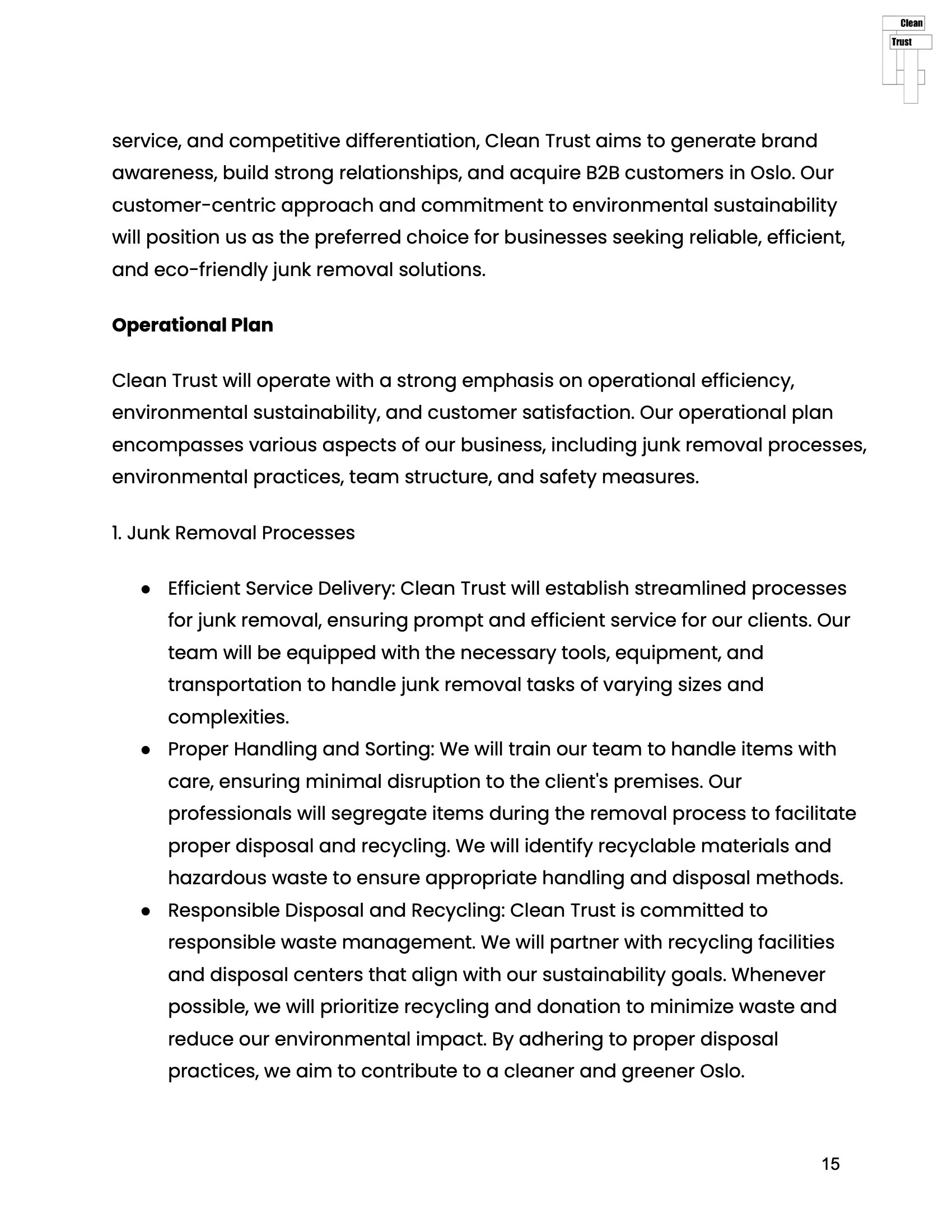
The pfannenstiel incision is a horizontal incision commonly used in cesarean sections and gynecological surgeries. The pfannenstiel incision is reportedly associated with a lower incidence of wound complications, including surgical site infection and incisional hernia, than midline incisions. It ends just medial to the asis on either side. The pfannenstiel incision is a horizontal skin incision made just above the.
Junk Removal Business Valuation Financial Model XLS Template

A pfannenstiel incision (template:ipaeng) is a type of surgical incision that allows access to the abdomen. It does not give exposure to the upper abdomen and provides only limited exposure to aortic and lymph nodes for their analysis and. The pfannenstiel incision offers a large view of the central pelvis but limits exposure to the lateral pelvis and upper abdomen,.
Junk Removal Business Valuation Financial Model XLS Template

It ends just medial to the asis on either side. The surgeon cuts on a generally horizontal (slightly curved) line just above the pubic. The pfannenstiel incision is a horizontal skin incision made just above the symphysis pubis (pubic bone). It is the most popular skin incision made for a cesarean section, and it is also known as the 'bikini.
Start Your Own Junk Removal Business Junk Trash Removal®

A pfannenstiel incision should never be used in oncologic surgery. It is currently the standard procedure for performing caesarean sections as well as other gynecologic. It is a form of surgical incision made in the abdomen that provides access to the abdominal cavity. It ends just medial to the asis on either side. A pfannenstiel incision was used, and the.
How to Write a Junk Removal Business Plan [Free Template] Jobber
![How to Write a Junk Removal Business Plan [Free Template] Jobber](https://i2.wp.com/getjobber.com/wp-content/uploads/2022/04/Copy-of-Document-template-preview-image-2.png)
The pfannenstiel incision is a horizontal incision commonly used in cesarean sections and gynecological surgeries. The pfannenstiel incision offers a large view of the central pelvis but limits exposure to the lateral pelvis and upper abdomen, factors that limit the usefulness of this incision for gynecologic cancer surgery. A pfannenstiel incision (template:ipaeng) is a type of surgical incision that allows.
Junk Removal Business Plan Template - The pfannenstiel incision is reportedly associated with a lower incidence of wound complications, including surgical site infection and incisional hernia, than midline incisions. The pfannenstiel incision offers a large view of the central pelvis but limits exposure to the lateral pelvis and upper abdomen, factors that limit the usefulness of this incision for gynecologic cancer surgery. The pfannenstiel incision is a horizontal incision commonly used in cesarean sections and gynecological surgeries. It is a form of surgical incision made in the abdomen that provides access to the abdominal cavity. The pfannenstiel incision is a horizontal skin incision made just above the symphysis pubis (pubic bone). Step by step description of the pfannenstiel incision for a surgical approach to the bladder, prostate and distal ureters via a paramedian laparotomy., from the online textbook of urology by d.
The pfannenstiel incision is reportedly associated with a lower incidence of wound complications, including surgical site infection and incisional hernia, than midline incisions. The pfannenstiel incision offers a large view of the central pelvis but limits exposure to the lateral pelvis and upper abdomen, factors that limit the usefulness of this incision for gynecologic cancer surgery. A pfannenstiel incision should never be used in oncologic surgery. Step by step description of the pfannenstiel incision for a surgical approach to the bladder, prostate and distal ureters via a paramedian laparotomy., from the online textbook of urology by d. It is made in the lower abdomen, parallel to the groin crease.
A Pfannenstiel Incision Should Never Be Used In Oncologic Surgery.
The pfannenstiel incision is a horizontal incision commonly used in cesarean sections and gynecological surgeries. The pfannenstiel incision is reportedly associated with a lower incidence of wound complications, including surgical site infection and incisional hernia, than midline incisions. The surgeon cuts on a generally horizontal (slightly curved) line just above the pubic. The pfannenstiel incision offers a large view of the central pelvis but limits exposure to the lateral pelvis and upper abdomen, factors that limit the usefulness of this incision for gynecologic cancer surgery.
It Is Currently The Standard Procedure For Performing Caesarean Sections As Well As Other Gynecologic.
A pfannenstiel incision was used, and the procedure involved removal of the uterus, cervix, upper quarter of the vagina, pelvic lymph nodes, and surrounding tissue. A pfannenstiel incision (template:ipaeng) is a type of surgical incision that allows access to the abdomen. The pfannenstiel incision is a horizontal skin incision made just above the symphysis pubis (pubic bone). It is the most popular skin incision made for a cesarean section, and it is also known as the 'bikini cut.'
It Is Made In The Lower Abdomen, Parallel To The Groin Crease.
It is a form of surgical incision made in the abdomen that provides access to the abdominal cavity. It does not give exposure to the upper abdomen and provides only limited exposure to aortic and lymph nodes for their analysis and. It ends just medial to the asis on either side. Step by step description of the pfannenstiel incision for a surgical approach to the bladder, prostate and distal ureters via a paramedian laparotomy., from the online textbook of urology by d.