-1.png "Starter - Blogger Template")
Lose Yourself No 1 Chart Ideas
Lose Yourself No 1 Chart - To come to be without (something in one's possession or care), through accident, theft, etc., so that there is little or no prospect of recovery. Discover their meanings, uses, and how to use each correctly in everyday writing. Master the difference between lose, loose, and lost with our comprehensive guide. The meaning of lose is to miss from one's possession or from a customary or supposed place. Lost is the past form of lose and describes something that already happened. How to use lose in a sentence.
Exploring loose vs lose to avoid common mistakes. Avoid confusion in everyday writing. The meaning of lose is to miss from one's possession or from a customary or supposed place. Discover their meanings, uses, and how to use each correctly in everyday writing. Lose typically functions only as a verb, with such meanings as “to bring to destruction,” “to miss from one's possession or from a customary or supposed place,” or “to undergo defeat in.” loose, on the.
Eminem's "Lose Yourself" Lyrics PDF Entertainment (General) Leisure

To fail to keep or maintain: Master the difference between lose, loose, and lost with our comprehensive guide. Exploring loose vs lose to avoid common mistakes. To suffer the loss or deprivation of: Lost is the past form of lose and describes something that already happened.
Lose Yourself Piano Composition Free PDF Sheet Free PDF, MIDI
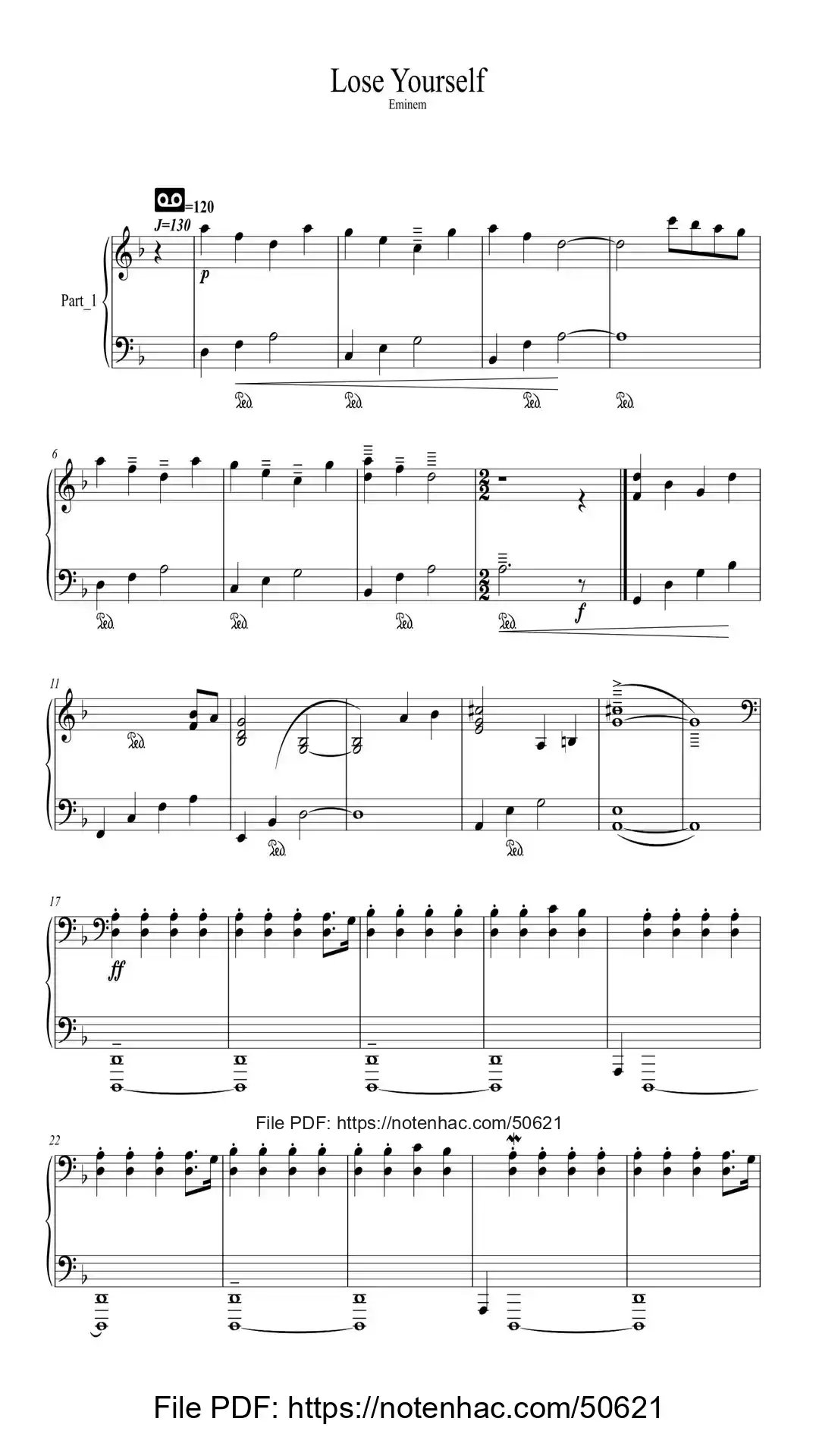
To fail to keep or maintain: If you lose something, you do not know where it is, for example, because you have forgotten where you put it. Avoid confusion in everyday writing. Discover their meanings, uses, and how to use each correctly in everyday writing. How to use lose in a sentence.
Lose Yourself Eminem Chart

To come to be without (something in one's possession or care), through accident, theft, etc., so that there is little or no prospect of recovery. Avoid confusion in everyday writing. To suffer the loss or deprivation of: Exploring loose vs lose to avoid common mistakes. If you lose something, you do not know where it is, for example, because you.
Why the lyrics to lose yourself eminem still hit different twenty years

Avoid confusion in everyday writing. Lost is the past form of lose and describes something that already happened. Understanding these differences helps you use each word correctly and avoid common grammar. Discover their meanings, uses, and how to use each correctly in everyday writing. To no longer have something because you do not know where it is:
エミネム Lose Yourself ギターコード無料Tab譜 ギタージャム

To suffer the loss or deprivation of: The meaning of lose is to miss from one's possession or from a customary or supposed place. To come to be without (something in one's possession or care), through accident, theft, etc., so that there is little or no prospect of recovery. How to use lose in a sentence. Lost is the past.
Lose Yourself No 1 Chart - Learn the difference between loose or lose with clear examples, usage rules, and common mistakes. Lost is the past form of lose and describes something that already happened. The meaning of lose is to miss from one's possession or from a customary or supposed place. Avoid confusion in everyday writing. To come to be without (something in one's possession or care), through accident, theft, etc., so that there is little or no prospect of recovery. Master the difference between lose, loose, and lost with our comprehensive guide.
Master the difference between lose, loose, and lost with our comprehensive guide. To no longer have something because you do not know where it is: Learn the difference between loose or lose with clear examples, usage rules, and common mistakes. Exploring loose vs lose to avoid common mistakes. To come to be without (something in one's possession or care), through accident, theft, etc., so that there is little or no prospect of recovery.
Exploring Loose Vs Lose To Avoid Common Mistakes.
To fail to keep or maintain: Avoid confusion in everyday writing. Learn the difference between loose or lose with clear examples, usage rules, and common mistakes. To come to be without (something in one's possession or care), through accident, theft, etc., so that there is little or no prospect of recovery.
See Examples Of Lose Used In A Sentence.
If you lose something, you do not know where it is, for example, because you have forgotten where you put it. The meaning of lose is to miss from one's possession or from a customary or supposed place. Lose typically functions only as a verb, with such meanings as “to bring to destruction,” “to miss from one's possession or from a customary or supposed place,” or “to undergo defeat in.” loose, on the. Master the difference between lose, loose, and lost with our comprehensive guide.
Lost Is The Past Form Of Lose And Describes Something That Already Happened.
Understanding these differences helps you use each word correctly and avoid common grammar. To suffer the loss or deprivation of: To no longer have something because you do not know where it is: How to use lose in a sentence.