-1.png "Starter - Blogger Template")
Mucus Colors And What They Mean References
Mucus Colors And What They Mean - The mucus is a normal, slippery, and stringy fluid substance produced by many lining tissues in the body. Discover the best natural home remedies to clear mucus, reduce congestion, and soothe irritation using simple, effective ingredients. Mucus gets thick and sticky and might be white, yellow or green when you have an. Learn more about its causes, symptoms, treatment, and more. Learn what mucus is, why you cough it up, what different colors mean, and when it may signal a respiratory infection or lung problem. Mucus is a natural fluid that helps protect your body from germs.
Learn more about its causes, symptoms, treatment, and more. The mucus is a normal, slippery, and stringy fluid substance produced by many lining tissues in the body. If you have a persistent cough, you likely have mucus in your chest. Phlegm color chart guide to what mucus colors may mean, when to watch symptoms at home, and when to call a doctor or seek urgent care. It can be caused by infections like a cold or sinusitis, or by things in.
Phlegm Colors And What They Mean

Mucus forms a protective barrier between epithelial cells on the internal and external surfaces of the body and the outside environment. Mucus is a natural fluid that helps protect your body from germs. Clear mucus is a sign of health, while green mucus can mean an infection. With cystic fibrosis, mucus gets thick and traps. In short, phlegm is excess.
What Does Green Phlegm Mean What Doctors Look For
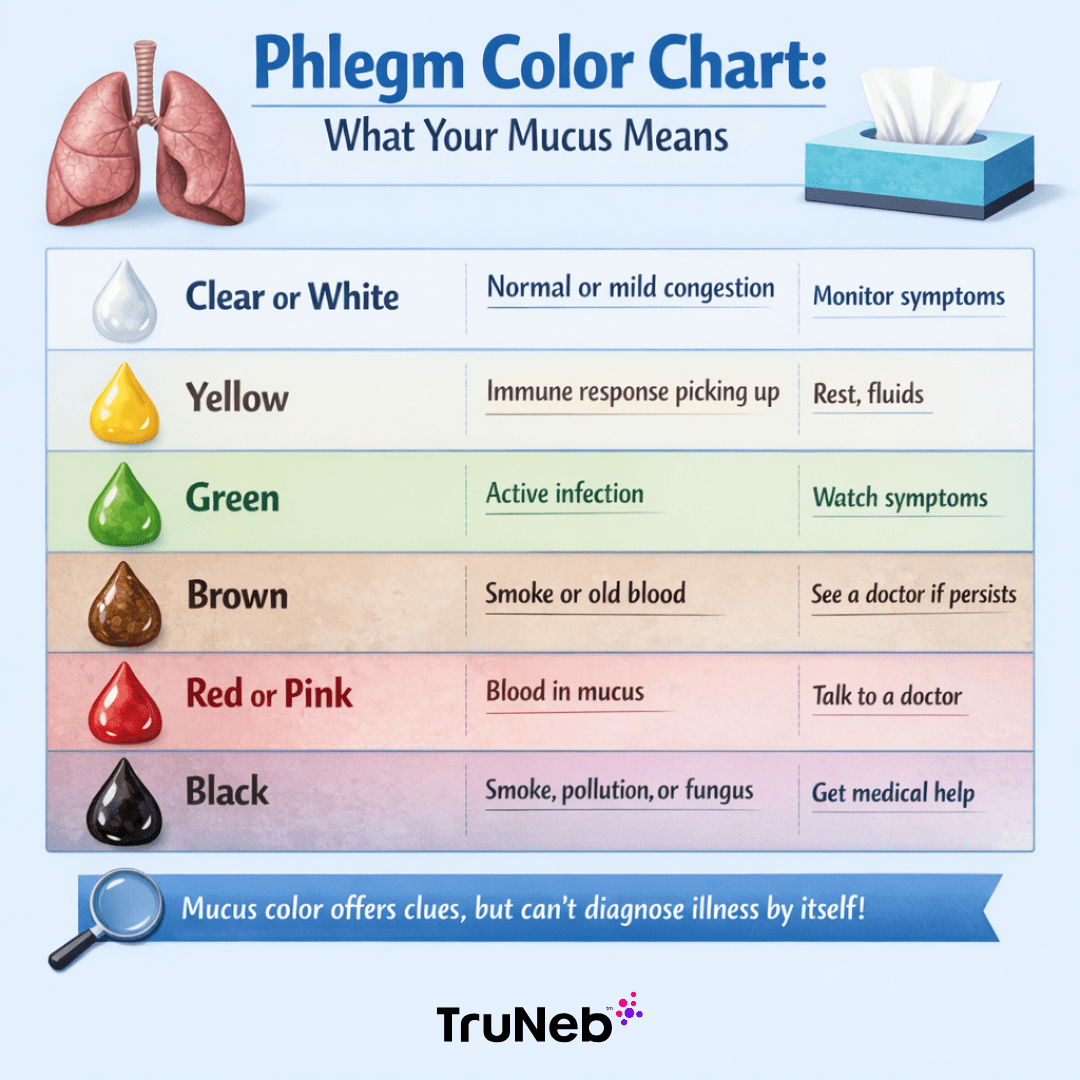
Learn more about its causes, symptoms, treatment, and more. Phlegm color chart guide to what mucus colors may mean, when to watch symptoms at home, and when to call a doctor or seek urgent care. Mucus forms a protective barrier between epithelial cells on the internal and external surfaces of the body and the outside environment. It lines your mucous.
Mucus vs. Phlegm vs. Sputum What's the Difference (2026)

Learn more about its causes, symptoms, treatment, and more. It can be caused by infections like a cold or sinusitis, or by things in. It cleans your nasal passages,. Discover the best natural home remedies to clear mucus, reduce congestion, and soothe irritation using simple, effective ingredients. Clear mucus is a sign of health, while green mucus can mean an.
What Does The Color Of Your Mucus Mean
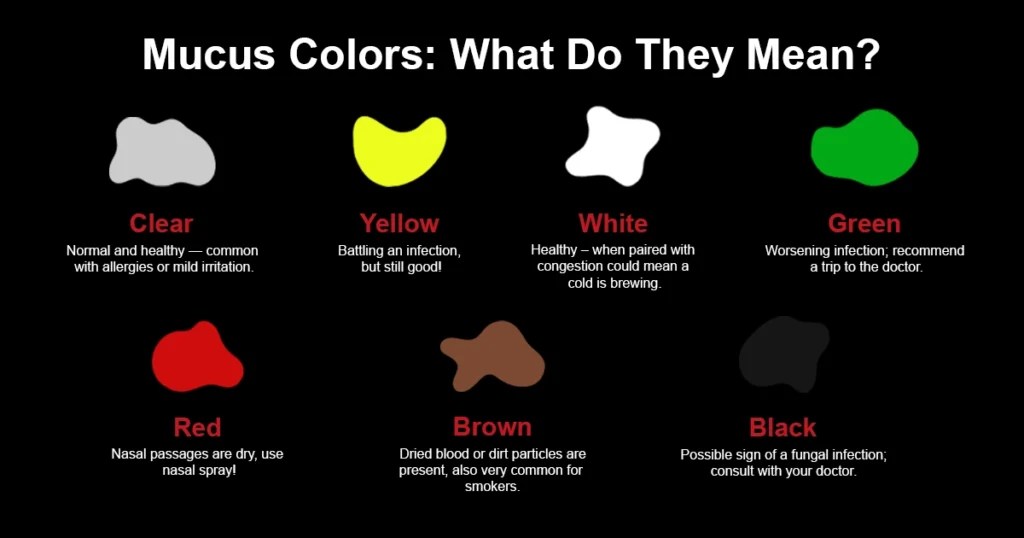
Mucus, also known as phlegm when it’s produced by your respiratory system, lines the tissues of your body (such as your nose, mouth, throat, and lungs). The mucus is a normal, slippery, and stringy fluid substance produced by many lining tissues in the body. Discover the best natural home remedies to clear mucus, reduce congestion, and soothe irritation using simple,.
Different Mucus Colors And What They Mean The Body's Warning Signs

It lines your mucous membranes and helps trap and destroy or clear out germs and harmful particles. Mucus is found in the linings of the respiratory, digestive, and. Mucus gets thick and sticky and might be white, yellow or green when you have an. It cleans your nasal passages,. Mucus is a natural fluid that helps protect your body from.
Mucus Colors And What They Mean - Learn what mucus is, why you cough it up, what different colors mean, and when it may signal a respiratory infection or lung problem. Mucus is found in the linings of the respiratory, digestive, and. If you have a persistent cough, you likely have mucus in your chest. Mucus gets thick and sticky and might be white, yellow or green when you have an. Mucus is a natural fluid that helps protect your body from germs. In short, phlegm is excess mucus that your body creates in an attempt to clear something from your respiratory system.
Mucus is a natural fluid that helps protect your body from germs. In short, phlegm is excess mucus that your body creates in an attempt to clear something from your respiratory system. Clear mucus is a sign of health, while green mucus can mean an infection. Discover the best natural home remedies to clear mucus, reduce congestion, and soothe irritation using simple, effective ingredients. It cleans your nasal passages,.
Clear Mucus Is A Sign Of Health, While Green Mucus Can Mean An Infection.
Mucus is a natural fluid that helps protect your body from germs. In short, phlegm is excess mucus that your body creates in an attempt to clear something from your respiratory system. It lines your mucous membranes and helps trap and destroy or clear out germs and harmful particles. Discover the best natural home remedies to clear mucus, reduce congestion, and soothe irritation using simple, effective ingredients.
Mucus Is Found In The Linings Of The Respiratory, Digestive, And.
Mucus gets thick and sticky and might be white, yellow or green when you have an. With cystic fibrosis, mucus gets thick and traps. Mucus, also known as phlegm when it’s produced by your respiratory system, lines the tissues of your body (such as your nose, mouth, throat, and lungs). It cleans your nasal passages,.
Learn What Mucus Is, Why You Cough It Up, What Different Colors Mean, And When It May Signal A Respiratory Infection Or Lung Problem.
If you have a persistent cough, you likely have mucus in your chest. Mucus forms a protective barrier between epithelial cells on the internal and external surfaces of the body and the outside environment. Phlegm color chart guide to what mucus colors may mean, when to watch symptoms at home, and when to call a doctor or seek urgent care. It can be caused by infections like a cold or sinusitis, or by things in.
The Mucus Is A Normal, Slippery, And Stringy Fluid Substance Produced By Many Lining Tissues In The Body.
Learn more about its causes, symptoms, treatment, and more.