-1.png "Starter - Blogger Template")
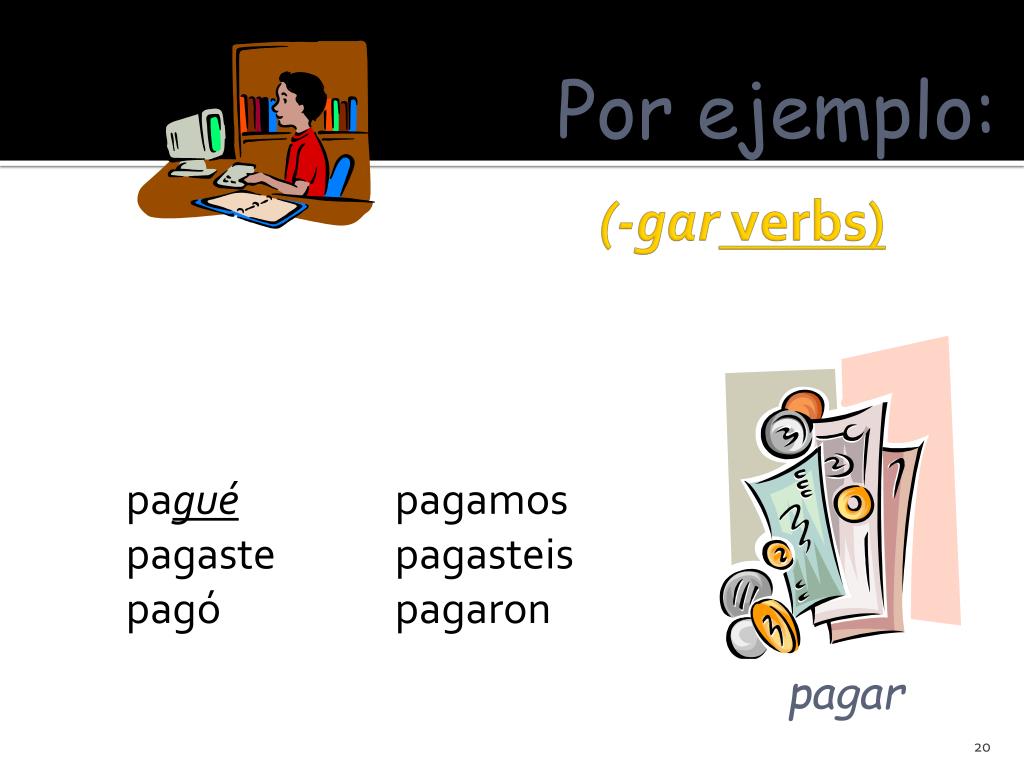
Past Tense Of Pagar 2026
Past Tense Of Pagar - In or to a position that is further than a particular point: Master each formula, learn signal words, fix common mistakes, and practice with examples and a worksheet. Passed is the past tense of to pass (e.g., 'he passed the post,' 'he passed away'). Master using it in different contexts and time expressions. See examples of past used in a sentence. We use the past simple to refer to definite time in the past (when we specify the time or how long) and usually with past time expressions such as yesterday, two weeks ago, last year, in 1995:.
Master each formula, learn signal words, fix common mistakes, and practice with examples and a worksheet. By putting a sentence in the future tense you can see. Passed and past are easy to confuse. Learn about the past simple tense: Past tenses have four types.
5 Situations When You Need to Use Preterite in Spanish Tell Me In Spanish

Past tenses have four types. We use the past simple to refer to definite time in the past (when we specify the time or how long) and usually with past time expressions such as yesterday, two weeks ago, last year, in 1995:. Gone by or elapsed in time. The past is commonly used to refer to history, either generally or.
Pagar In Past Tense _ Pagar En Español HUYHV
By putting a sentence in the future tense you can see. Past tenses have four types. See examples of past used in a sentence. How to use past in a sentence. To keep past and passed straight, remember that past always has the same form, while passed is one of the forms of the verb pass.
Conjugating Pagar in all Spanish tenses Ella Verbs App

How to use past in a sentence. Learn about the past simple tense: Passed and past are easy to confuse. By putting a sentence in the future tense you can see. The meaning of past is ago.
Master the Preterite of Pagar A Simple Guide for US Learners

Gone by or elapsed in time. Master each formula, learn signal words, fix common mistakes, and practice with examples and a worksheet. We use the past simple to refer to definite time in the past (when we specify the time or how long) and usually with past time expressions such as yesterday, two weeks ago, last year, in 1995:. In.
PAGAR (to pay)... preterite forms. YouTube

Master each formula, learn signal words, fix common mistakes, and practice with examples and a worksheet. How to use past in a sentence. For everything else, use past. Gone by or elapsed in time. Used to say what the time is….
Past Tense Of Pagar - We use the past simple to refer to definite time in the past (when we specify the time or how long) and usually with past time expressions such as yesterday, two weeks ago, last year, in 1995:. The past is commonly used to refer to history, either generally or with regard to specific time periods or events, as in, past monarchs had absolute power to determine the law in contrast to many. The meaning of past is ago. In or to a position that is further than a particular point: Used to say what the time is…. For everything else, use past.
For everything else, use past. The meaning of past is ago. The past is commonly used to refer to history, either generally or with regard to specific time periods or events, as in, past monarchs had absolute power to determine the law in contrast to many. We use the past simple to refer to definite time in the past (when we specify the time or how long) and usually with past time expressions such as yesterday, two weeks ago, last year, in 1995:. Perfect for english language learners!
To Keep Past And Passed Straight, Remember That Past Always Has The Same Form, While Passed Is One Of The Forms Of The Verb Pass.
Perfect for english language learners! We use the past simple to refer to definite time in the past (when we specify the time or how long) and usually with past time expressions such as yesterday, two weeks ago, last year, in 1995:. Master using it in different contexts and time expressions. Master each formula, learn signal words, fix common mistakes, and practice with examples and a worksheet.
Passed And Past Are Easy To Confuse.
Used to say what the time is…. See examples of past used in a sentence. How to use past in a sentence. Gone by or elapsed in time.
Its Rules, Structure, And Examples.
Learn about the past simple tense: For everything else, use past. In or to a position that is further than a particular point: Passed is the past tense of to pass (e.g., 'he passed the post,' 'he passed away').
By Putting A Sentence In The Future Tense You Can See.
The meaning of past is ago. Past tenses have four types. In this lesson, you’ll learn how to form and use the simple past tense in affirmative, negative, and question forms, understand its structure and usage, explore grammar rules, and work with regular. The past is commonly used to refer to history, either generally or with regard to specific time periods or events, as in, past monarchs had absolute power to determine the law in contrast to many.