-1.png "Starter - Blogger Template")
Were So Back Chart 2026
Were So Back Chart - The terms 'where' and 'were' may sound similar, but they are never synonymous, and neither may be used interchangeably. In this article, we'll explore the difference between the terms. Remember that “was and were” are simply the two past tense forms of “to be,” and. See examples of were used in a sentence. A second person singular past indicative; Were is the plural form and the second person singular form of the past tense of be.
See examples of were used in a sentence. Use “was” for singular subjects such as i, he, she, or it, and “were” for plural subjects like we, they, or you. Learn how to use “was” vs. Download a printable pdf worksheet with answers Were is the plural form and the second person singular form of the past tense of be.
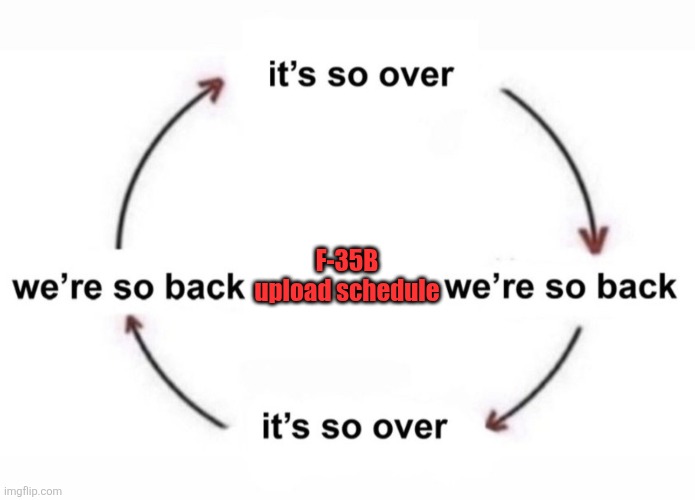
What Does "We Are So Back" Mean Explaining the Popular Meme

This guide explains the difference between location and past tense, including tips for the subjunctive mood. A second person singular past indicative; First, second, and third person plural past indicative; Use 'were' for past tense, 'we're' as 'we are,' and 'where' for location. The terms 'where' and 'were' may sound similar, but they are never synonymous, and neither may be.
The Mood Meter Know Your Meme

Stop mixing up where and were. Learn how to use “was” vs. In this article, we’ll define where and were, explain the different ways that they are used, provide examples of how they are typically used in sentences, and even cover the also similar. Remember that “was and were” are simply the two past tense forms of “to be,” and..
The Mood Meter Know Your Meme

Learn how to use “was” vs. In this article, we’ll define where and were, explain the different ways that they are used, provide examples of how they are typically used in sentences, and even cover the also similar. Download a printable pdf worksheet with answers Remember the differences by swapping words or thinking about locations for 'where.' the words were,.
It's So Over / We're So Back Know Your Meme

Stop mixing up where and were. Learn how to use “was” vs. Remember that “was and were” are simply the two past tense forms of “to be,” and. And past subjunctive of be. Download a printable pdf worksheet with answers
It’s so over, we are so back Imgflip
Remember the differences by swapping words or thinking about locations for 'where.' the words were, we're, and. In this article, we'll explore the difference between the terms. Use “was” for singular subjects such as i, he, she, or it, and “were” for plural subjects like we, they, or you. Remember that “was and were” are simply the two past tense.
Were So Back Chart - See examples of were used in a sentence. Explore the difference between “was” and “were” and whether to say “if i was” or “if i were.” These was and were exercises help you avoid the most common past simple errors that students make. A second person singular past indicative; And past subjunctive of be. Use “was” for singular subjects such as i, he, she, or it, and “were” for plural subjects like we, they, or you.
This guide explains the difference between location and past tense, including tips for the subjunctive mood. Remember the differences by swapping words or thinking about locations for 'where.' the words were, we're, and. Remember that “was and were” are simply the two past tense forms of “to be,” and. A second person singular past indicative; Learn how to use “was” vs.
This Guide Explains The Difference Between Location And Past Tense, Including Tips For The Subjunctive Mood.
Were is the plural form and the second person singular form of the past tense of be. Use 'were' for past tense, 'we're' as 'we are,' and 'where' for location. Stop mixing up where and were. Learn how to use “was” vs.
Use “Was” For Singular Subjects Such As I, He, She, Or It, And “Were” For Plural Subjects Like We, They, Or You.
A second person singular past indicative; And past subjunctive of be. Remember that “was and were” are simply the two past tense forms of “to be,” and. The terms 'where' and 'were' may sound similar, but they are never synonymous, and neither may be used interchangeably.
Download A Printable Pdf Worksheet With Answers
First, second, and third person plural past indicative; Explore the difference between “was” and “were” and whether to say “if i was” or “if i were.” In this article, we'll explore the difference between the terms. These was and were exercises help you avoid the most common past simple errors that students make.
Remember The Differences By Swapping Words Or Thinking About Locations For 'Where.' The Words Were, We're, And.
In this article, we’ll define where and were, explain the different ways that they are used, provide examples of how they are typically used in sentences, and even cover the also similar. See examples of were used in a sentence.